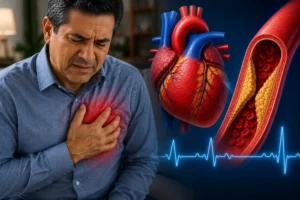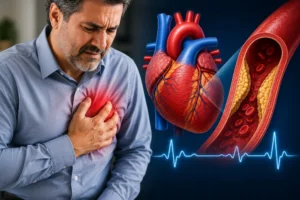
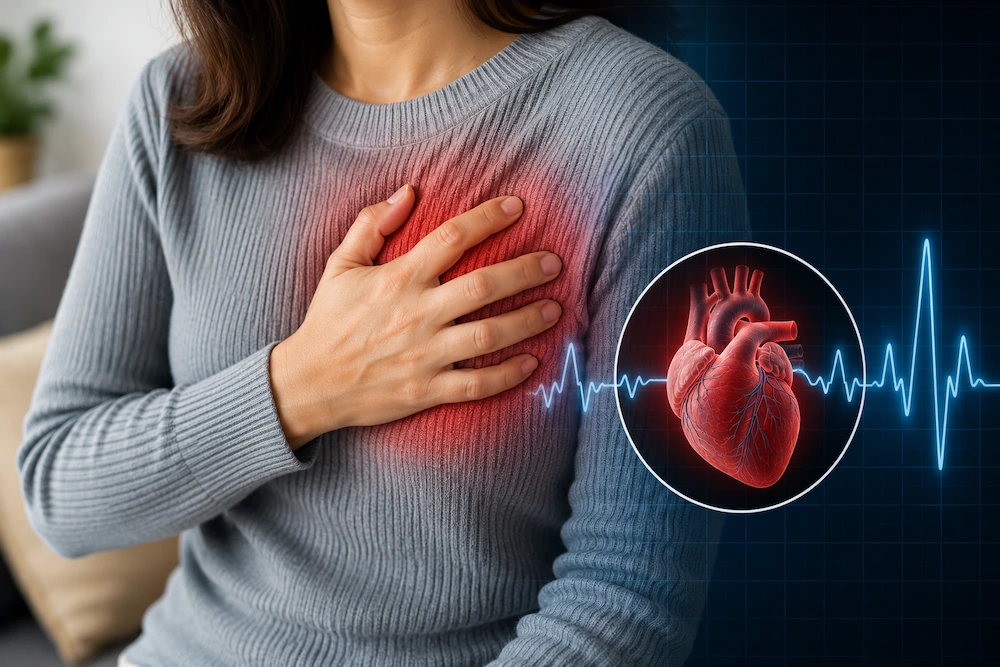
Palpitations are the feeling that the heart is racing, pounding, fluttering, skipping, or beating irregularly. Many episodes are harmless, especially when brief and linked to caffeine, stress, dehydration, fever, lack of sleep, or intense exercise. Still, palpitations can sometimes signal an arrhythmia that needs evaluation.
A useful first step is to describe the rhythm: sudden or gradual, regular or irregular, fast or simply forceful, seconds or hours, associated with exercise or rest. Also note triggers such as energy drinks, nicotine, thyroid disease, anemia, certain medicines, or stimulant supplements.
Tests your doctor may consider
An ECG records the heart rhythm at one moment. If symptoms come and go, a Holter monitor or longer event monitor may be needed. Blood tests can look for anemia, electrolyte imbalance, thyroid disease, and other contributors. Echocardiography may be recommended if structural heart disease is suspected.
Red flags
Seek urgent care if palpitations occur with chest pain, fainting, severe shortness of breath, new weakness, confusion, or very low blood pressure. Palpitations during exercise, or palpitations in someone with known heart disease, also deserve careful assessment.
Treatment depends on the rhythm. Some patients need reassurance and trigger reduction. Others may need medicines, anticoagulation, cardioversion, ablation, or device therapy. Accurate rhythm diagnosis comes before treatment decisions.
If possible, record your pulse rate during symptoms and bring any smartwatch rhythm strips to your appointment, but do not rely on wearable devices as the only assessment.
Medical disclaimer: This article is for general health education only. It is not a substitute for consultation, diagnosis, or treatment from a qualified clinician. If symptoms are severe, new, or worsening, seek urgent medical care.