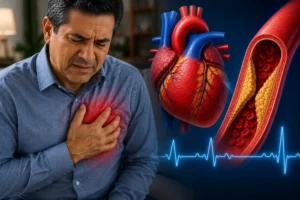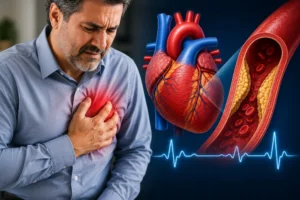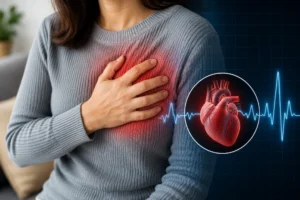
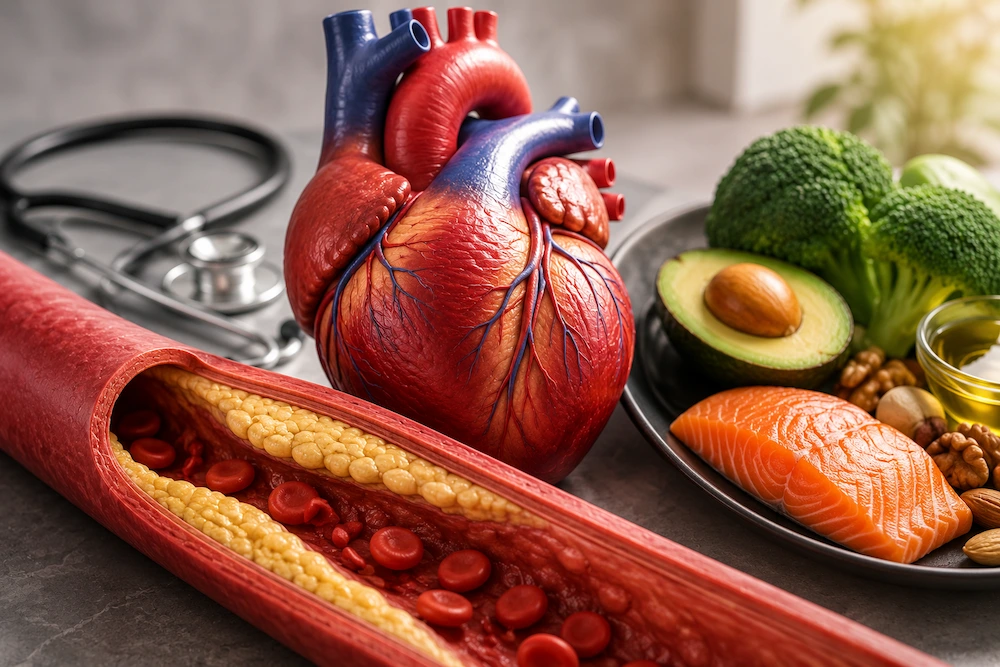
Cholesterol is not automatically bad. The body uses it to build cell membranes and hormones. The problem begins when harmful cholesterol particles circulate at high levels and enter the artery wall, contributing to plaque formation. Over time, plaque can narrow arteries or suddenly rupture and trigger a heart attack or stroke.
The key number for many patients is LDL cholesterol, often called bad cholesterol. Lower LDL generally means lower risk, especially for people with diabetes, high blood pressure, smoking history, kidney disease, prior heart attack, stroke, or known coronary artery disease. HDL cholesterol and triglycerides also help complete the risk picture.
Food choices that help
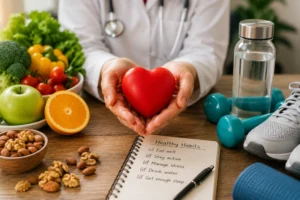
A heart-protective eating pattern emphasizes vegetables, fruits, legumes, whole grains, nuts, fish, and healthier oils. It limits trans fats, frequent fried foods, processed meats, and excess refined carbohydrates. Soluble fiber from oats, beans, lentils, barley, and some fruits can help reduce LDL.
Lifestyle is the foundation, but some people need medication because their risk is high, their LDL is very elevated, or they have inherited cholesterol conditions. Statins and other lipid-lowering medicines can be life-saving when matched to the right patient.
Ask for your risk, not only your result
A cholesterol result should be interpreted in context. Age, blood pressure, diabetes, smoking, family history, kidney function, and previous cardiovascular events all influence the treatment target. Ask your doctor what LDL level is appropriate for you and when it should be rechecked.
Do not stop cholesterol medication without discussing it with your clinician. If side effects occur, there are often dose adjustments or alternative options.
Medical disclaimer: This article is for general health education only. It is not a substitute for consultation, diagnosis, or treatment from a qualified clinician. If symptoms are severe, new, or worsening, seek urgent medical care.